The Fortnite YouTube landscape has become increasingly competitive, with established creators dominating the algorithm and pushing new creators into obscurity. However, data from late 2025 reveals a remarkable opportunity hiding in plain sight—an abandoned niche within the Fortnite ecosystem that’s delivering staggering earnings while remaining dramatically underserved. Creators who’ve discovered and exploited this angle are generating $10,000+ per upload, and the path to replicating their success is surprisingly straightforward.
The Hidden Niche: Fortnite Nostalgia Deep Dives
The secret isn’t about being better at Fortnite than established creators. Instead, the winning strategy focuses on documentary-style content exploring Fortnite’s forgotten history, abandoned mechanics, and deleted content. Think abandoned map locations, discontinued skins, removed gameplay mechanics, and the untold stories behind past seasons. This niche sits at the intersection of gaming, nostalgia, and storytelling—three of YouTube’s most engaging categories combined.
While mega-creators pump out endless ranked gameplay, tournament highlights, and skill tutorials, virtually nobody is creating comprehensive content about Fortnite’s buried history. This gap represents the definition of an untapped opportunity on a platform where 1,500+ active Fortnite channels currently exist, yet fewer than 50 focus specifically on historical documentation and nostalgia. Vid6
Why This Niche Works
The algorithm rewards engagement, watch time, and audience retention. Nostalgia triggers powerful emotional responses in viewers, particularly among the Gen Z and Gen Alpha demographics that dominate Fortnite’s audience. A 15-minute video exploring “Why Epic Deleted These 5 Fortnite Weapons” or “The Complete History of Tilted Towers” generates far higher retention than traditional gameplay content because viewers are inherently curious about why things disappeared and what they missed.
Fortnite’s constant updates and seasonal changes create natural content angles that never die. Every chapter brings new players who missed previous content, while veteran players crave nostalgia about their early days. This creates a perpetual audience for historical deep dives that short-form gaming content simply cannot match.
The Earnings Breakdown
The $10,000-per-video figure isn’t based on AdSense alone, though that contributes meaningfully. Creators in this niche are leveraging multiple revenue streams simultaneously: YouTube ad revenue, affiliate marketing (selling Fortnite gift cards, gaming monitors, headsets), brand partnerships with gaming companies, Patreon support from dedicated fans, and sponsored integrations with content creation tools.
A well-optimized 12-15 minute historical documentary-style video can generate 300,000-600,000 views within two weeks. At average RPM rates of $15-25 in the gaming category (which is notably higher than general content due to advertiser demand), this translates to $4,500-$15,000 in ad revenue alone. Adding affiliate commissions, sponsorships, and direct creator support pushes earnings significantly higher.
The Content Strategy That Works
Successful creators in this niche follow a specific framework: Hook viewers with a controversial or mysterious premise, build narrative tension through historical storytelling, and deliver surprising information throughout. The hook-conflict-payoff formula dominates because it transforms what could be dry historical content into compelling narratives.
Examples of high-performing video concepts include “The Untold Story Behind Fortnite’s Most Hated Season,” “Lost Fortnite Weapons That Were Too Overpowered,” “Why Epic Games Deleted This Entire Map Location,” and “The Fortnite Glitches That Changed Competitive Forever.” These titles promise specific knowledge viewers can’t find elsewhere, creating powerful search intent and click-through rates.
Editing standards matter significantly in this space. While narrative-heavy content performs better than visual spectacle, polished editing that includes archival gameplay footage, B-roll transitions, and motion graphics maintains viewer engagement. Consistency matters more than production complexity—creators uploading one high-quality historical deep dive weekly outperform those dropping sporadic uploads.
Why Mainstream Creators Haven’t Captured This
The biggest Fortnite creators built their audiences through gameplay content and rarely pivot to documentary-style videos. They’ve invested their brands into specific content identities, making it difficult to suddenly shift to historical analysis without confusing their existing audiences. This creates an opening for new creators to establish authority in a completely untapped subcategory.
Platforms like TikTok and Instagram Reels favor short-form, fast-paced content. YouTube’s algorithm increasingly favors longer videos with high retention rates, particularly in niche categories with dedicated audiences. Documentary-style Fortnite content thrives in this environment because viewers who click are genuinely interested in depth rather than entertainment snippets.
Starting Your Own Channel
Begin by researching which Fortnite historical topics have highest search volume using tools like TubeBuddy or VidIQ. Create your first five videos testing different angles—perhaps one on deleted weapons, one on forgotten mechanics, and one on map changes. Monitor which performs best and double down on that angle.
Consistency matters more than perfection. Uploading one polished 12-minute documentary weekly beats sporadic uploads of longer content. Build a content calendar covering underutilized Fortnite topics for the next three months, ensuring each video targets specific search keywords that show high interest but low competition.
The $10,000-per-video earnings aren’t guaranteed or immediate, but data from creators who discovered this niche in late 2025 demonstrates realistic potential. With proper optimization, audience retention, and multiple revenue stream activation, reaching $5,000-$10,000 monthly in this niche becomes achievable within 6-12 months of consistent uploads.
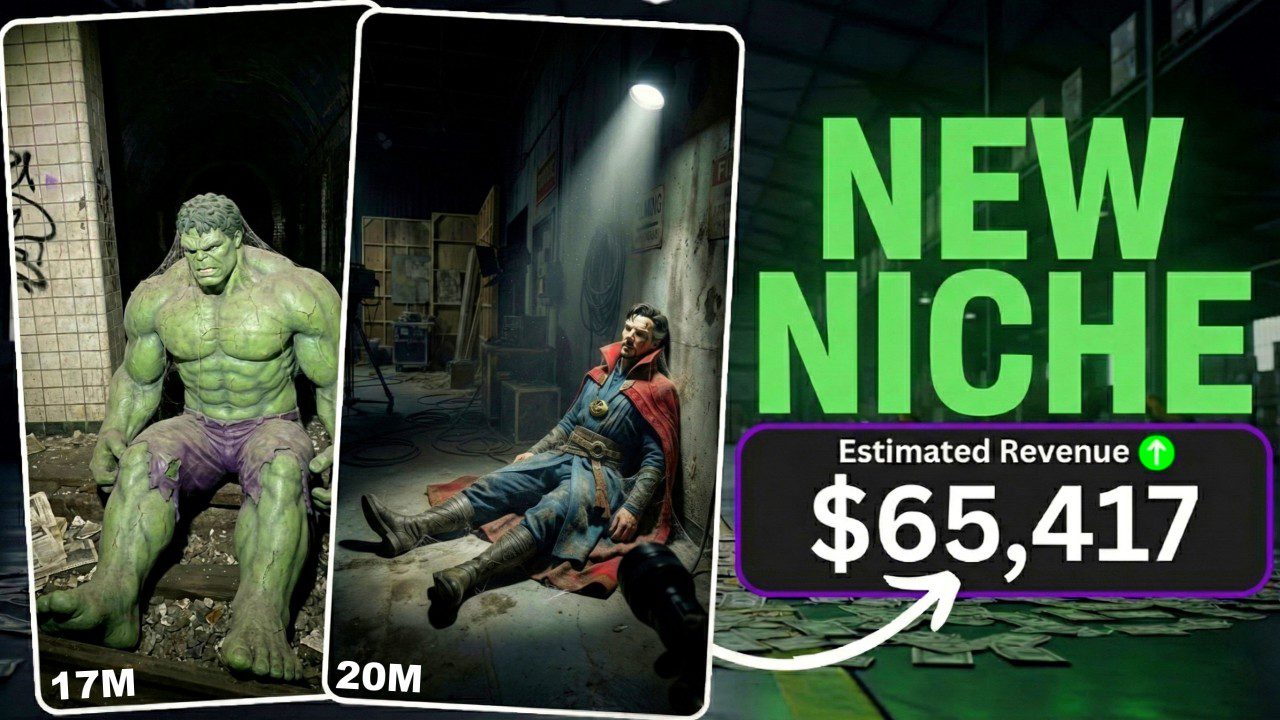
Use the uploaded image of the character as an exact reference. Preserve the original proportions, materials, colors, textures, and facial features. Do not alter the design and do not stylize the character.
A first-person point-of-view shot inside an abandoned space [LOCATION TYPE: television studio / advertising set / real filming location].
The viewer is holding a flashlight, creating a single circular beam of light while the rest of the space is engulfed in darkness.
In the flashlight beam, it is visible that the character is positioned as if it was left behind after filming: [POSITION: lying on the floor / curled up in a corner / leaning against a table / slumped against a wall].
The character must appear completely lifeless and inactive: no action, no intentional pose, no sense of presence. If it is a doll or a costume, there must be no visible hands, rods, strings, or person inside.
The character appears old, dirty, and abandoned: worn fabric, accumulated dust, stains, discoloration, flattened or damaged areas.
The environment is clearly abandoned: dusty surfaces, old filming equipment, cables scattered on the floor, faded signs or set decorations.
Dust particles float within the flashlight beam; the space feels silent and untouched for years.
Photorealistic flashlight-based lighting, harsh shadows, rough textures, documentary realism, on-location shooting aesthetics, no stylization Aspect Ratio 9:16
Image to video prompt:
The camera represents a real human point of view walking slowly inside the same location.
Movement is grounded and realistic: subtle vertical bob from footsteps, gentle side-to-side sway, imperfect handheld motion.
The viewer is holding a flashlight; the beam reacts naturally to walking and turning with delayed movement, small overcorrections, uneven scanning.
The character remains completely still and lifeless: no animation, no blinking, no breathing, no movement.
Only environmental motion: floating dust, minimal light flicker, very subtle movement of loose elements.
The environment stays consistent the whole shot: no set changes, no teleporting, no new objects.
Photorealistic video, found-footage realism, handheld walking camera, low light, strong shadows, gritty textures, natural imperfections
Conclusion
The Fortnite YouTube ecosystem’s future isn’t in competing with established gameplay creators—it’s in documenting and storytelling the game’s rich history. This abandoned niche represents the rare opportunity where low competition, high audience demand, and proven monetization pathways align perfectly. The creators who move first will establish authority, build loyal audiences, and capture the substantial earnings this underserved category currently offers.