A prompt is not just an instruction—it is the control surface of artificial intelligence. In systems like large language models, the quality of the output is tightly coupled to the quality of the input. This simple fact separates users who get mediocre results from those who extract real value.
A prompt defines context, constraints, and intent. Vague prompts produce generic answers because the system has too many possible directions to choose from. Precise prompts narrow the solution space, forcing the model to reason within clear boundaries. This is why “Write about climate change” fails, while “Write a 200-word policy brief on carbon pricing for city governments” works. Prompting is not magic, but it is a skill. It requires understanding how models interpret language: they don’t “know” what you want; they predict what comes next based on patterns. If your prompt is sloppy, the prediction will be too. Vid8
Good prompts specify role (“act as a financial analyst”), format (“use bullet points”), audience, tone, and success criteria. Bad prompts assume the system will read your mind. It won’t. As AI becomes embedded in work, prompting becomes a form of leverage. One person with strong prompting skills can outperform entire teams that rely on trial and error. This doesn’t mean prompts replace thinking—actually, they demand clearer thinking. You must know what you want before you can ask for it. In the end, a prompt is a mirror. If your question is confused, your answer will be too. Master the prompt, and you don’t just improve AI output—you sharpen your own reasoning.
Read Also – This Abandoned Fortnite YouTube, Tik Tok Niche Makes $10k/Video
Read Also – The Complete Guide to Debt Consolidation Loans
👇👇👇
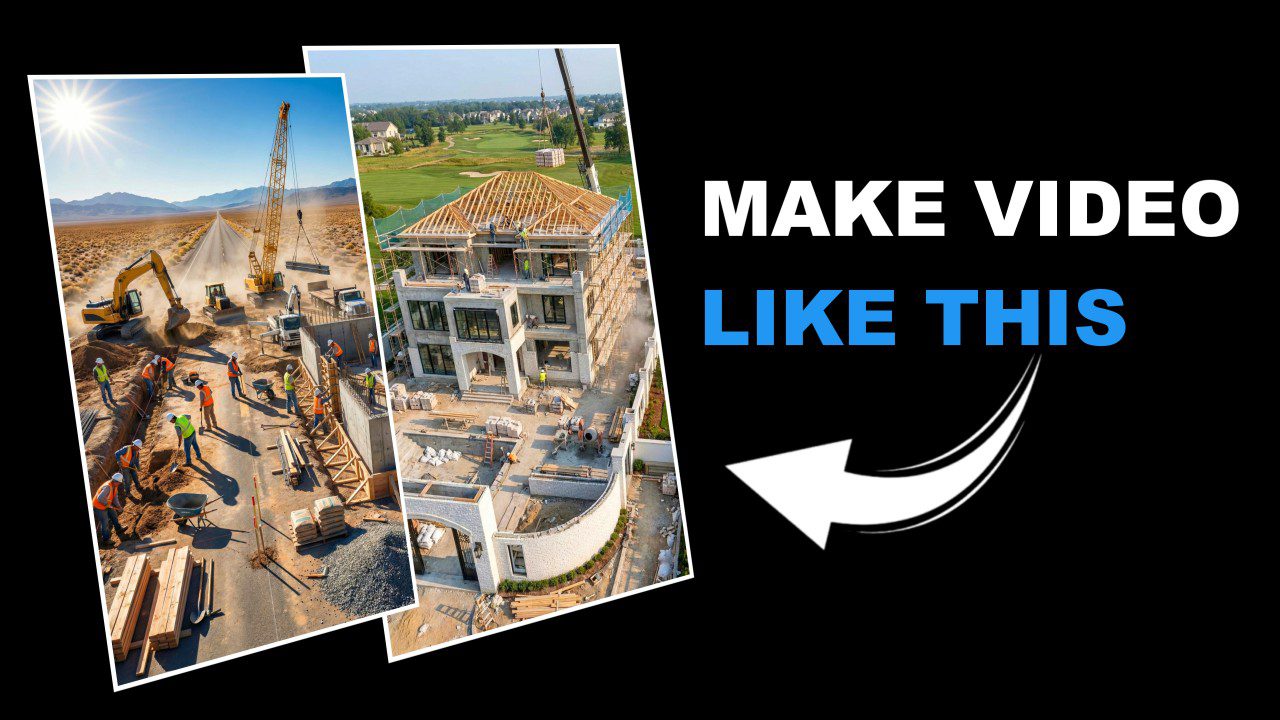
I will provide you one image of any subject (house, farm, factory, road, vehicle, land, building, machine, design, or any object).
Your task is to completely reset the given image to absolute plain land at the beginning, meaning everything visible in the original photo must be removed — all structures, objects, vehicles, crops, roads, buildings, designs, or elements.
The transformation must start from totally flat, empty, undeveloped ground, as if nothing ever existed there.
Then, based on the original image, generate a logical, realistic, human-driven construction journey that rebuilds the subject step-by-step until the final stage fully matches the original subject’s purpose and form.
You must output FOUR IMAGE PROMPTS and THREE VIDEO PROMPTS following this exact logic:
The first image shows only flat plain land.
The second image shows early construction started by human workers.
The third image shows partially completed construction through visible human labor.
The fourth image shows fully completed final construction, clean, finished, and functional.
All video prompts must show time-lapse construction performed strictly by visible human workers only.
No automatic construction, no self-building structures, no floating materials, no instant transformations.
Every change must happen only when workers are physically present, using real tools, machinery, scaffolding, vehicles, and manual effort.
The same camera angle, same environment, same scale must be preserved throughout all stages.
Construction logic must match the subject type (road builds like a road, vehicle like a vehicle, building like a building).
Realistic physics, believable human motion, grounded construction workflow.
The final output must be clearly labeled, AI-ready, and usable directly for image generation and video generation without any additional explanation.
☝️☝️☝️